Many people want a tech path that feels flexible and stable. Full stack work often fits that need because it covers the full web app, not only one part. A person can work on the screens users see, the server logic behind the screens, and the data that the app stores. This wide view can feel more useful and more practical, mainly for real projects and real teams.
Full stack work also helps a person understand how a web app works as one system. When something breaks, the issue is often not only on the screen or only on the server. It can sit in the link between both. A full stack person can follow that link and fix the issue faster.

What “Full Stack Developer” Means
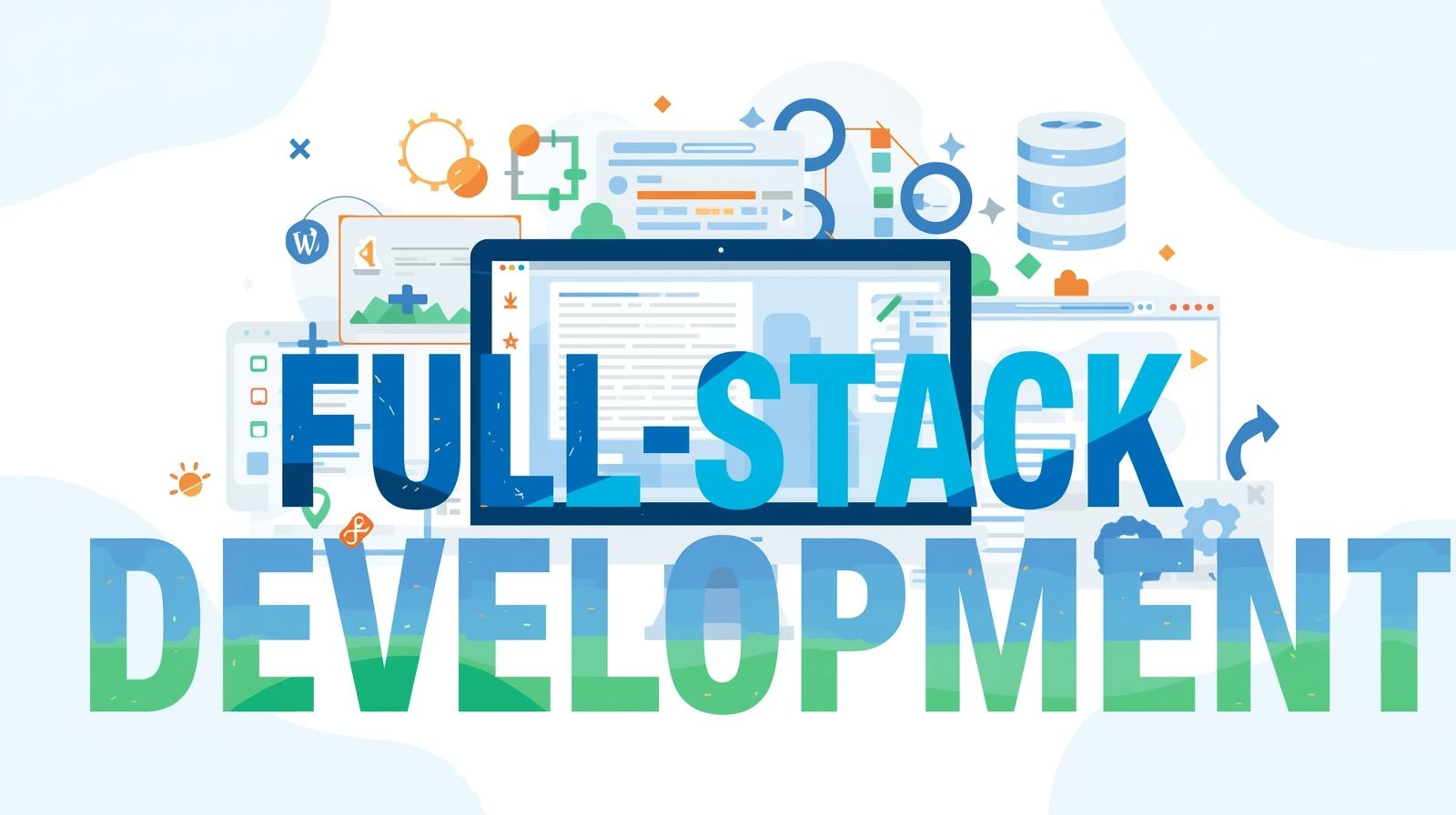
A full stack developer can build and handle the main parts of a web app:
- Frontend: pages, buttons, forms, layout, and user flow
- Backend: server code, login rules, APIs, and app logic
- Database: saving and reading data such as users, orders, and posts
- Basic deploy: putting the app live so other people can use it
This does not mean one person is the best in every area. It means one person can build a complete working app and can understand how each part affects the other parts.
Why Many People Prefer Full Stack Work
1) One Person Can Build a Complete App
Full stack skills help a person build a full product from start to end. That feels strong because the work is not stuck in only one corner. For example, a person can make a login page, connect it with a server login API, store user data in a database, and then show the user profile screen after login. This full flow is very common in real apps, so learning it gives clear value.
This also helps in personal projects. If a person wants to build a portfolio project, it looks more real when it has login, data save, admin panel, and proper pages. Many people do this because they can show a complete app, not only a few screens or only a few APIs.
2) Better Big-Picture Thinking
Frontend work is close to the user. Backend work is close to the system. Full stack work connects both sides. This helps a person think in a wider way. A simple UI change can make the server work harder. A small server change can break the UI. When a person understands both sides, planning becomes easier.
For example, a list page may load slowly. The issue might look a UI problem, but the real cause can be a slow database query or a heavy API response. With full stack knowledge, a person can check all parts and find the real reason.
3) Faster Bug Fixing and Less Delay
Many bugs happen at the border between frontend and backend. Examples are very common:
- the frontend sends data in one format, the backend expects another format
- an API field name changes, and the UI breaks
- token or session problems block users from login
- CORS errors stop requests from the browser
If one person can check both sides, the fix can happen faster. This also reduces back-and-forth messages inside a team. Teams often hire people who can debug across the full app, because it saves time and reduces stress near deadlines.
4) Stronger Team Communication
In many companies, front-end and backend people work in separate groups. Misunderstanding can happen, even when both groups are skilled. Full stack knowledge helps a person speak clearly about API needs, data rules, error messages, and edge cases. It becomes easier to write clean API notes and easier to build UI screens that match the real server response.
This skill is also useful in meetings. A full stack person can explain problems in simple words to non-tech people, such as product managers or business owners. That makes the work smoother.
5) More Job Roles Can Fit One Profile
Some job roles ask only the front end. Some ask only the backend. Many roles, mainly in small teams, ask for people who can handle both parts. A full stack profile can fit a wider set of roles, so the job search can feel less narrow.
Also, even if the role is mainly frontend or mainly backend, full stack knowledge can still help in daily tasks. A front-end person who understands APIs can work faster. A backend person who understands UI flow can build better APIs.
6) High Value in Startups and Small Teams
Small teams often need people who can handle many tasks. They may not have a separate person for every area. In such teams, a person who can build screens, create APIs, connect the database, and fix bugs can become very important.
Startups also build fast and change plans often. Full stack skills help a person adjust faster, because the person can move from UI work to API work when needed. This flexibility is one big reason many people move toward full stack work.
7) Better Fit for Freelance and Small Client Work
Many clients want a complete website or web app. They often want one person who can deliver the full thing, such as:
- a service website with a contact form that sends data to the server
- a small admin panel for adding products or posts
- a booking app with user login and data save
- a basic store app with order list and customer list
Full stack skills make it easier to deliver complete client work. It can also reduce dependency on other people, since one person can manage the full build and the full fix cycle.
8) Better Understanding of Speed and Performance
App speed depends on many parts, not only the UI. A fast page needs:
- smaller images and clean frontend code
- fast APIs
- good database queries
- proper caching when needed
A full stack person can check each layer and improve speed in the right place. This is important because users leave slow apps fast. So performance work is not only a “nice to have,” it is often a must.
9) More Growth Paths Over Time
A full stack base can open many future paths. With time and real work, a person can grow into:
- frontend lead
- backend lead
- product engineer
- tech lead
- software architect (with strong experience)
This happens because full stack learning builds system thinking. System thinking helps when the work becomes larger and more complex.
10) A Strong Base Even If One Area Becomes the Main Focus Later
Some people start with full stack skills, then go deeper into one area later. This still helps because the person understands the full app flow. A backend-focused person with UI understanding can build APIs that are easier to use. A frontend-focused person with backend understanding can build screens that handle errors and edge cases in a better way.
So full stack learning can be a strong base for long-term growth, even when a person later focuses more on one side.
Skills a Full Stack Path Often Covers
Frontend Skills
- HTML, CSS
- JavaScript basics and logic
- responsive pages for mobile and desktop
- form handling and basic validation
Backend Skills
- REST APIs
- authentication basics (login and signup)
- input checks and basic security
- server-side logic for app rules
Database Skills
- saving and reading data (CRUD)
- tables, relations, and basic data design
- simple query improvement ideas
Tools That Help a Lot
- Git and GitHub for code work
- debugging and error reading
- basic deploy steps
A Simple Step-by-Step Start Plan
Step 1: Learn Web Basics
Start with HTML, CSS, and JavaScript. Make small pages. Keep code clean. Focus on simple layout and clear user flow.
Step 2: Build Small UI Projects
Make 3–5 simple pages. Add forms, simple validation, and better spacing. Learn how to break the UI into small parts so you can reuse code.
Step 3: Learn One Backend Stack
Learn server basics and API building. Practice making endpoints for login, profile, and a list page. Test APIs with simple tools. Learn error handling, so the app does not crash on bad input.
Step 4: Add a Database and Connect It
Store user data, posts, or tasks. Read data and show it on the UI. Add edit and delete features. This is where many people start feeling that they are building “real apps.”
Step 5: Make 2 Real Projects for Your Portfolio
Project ideas:
- Task manager with login, task list, filters, and user profile
- Small store app with product list, cart basics, and admin panel
Step 6: Deploy a Basic Version
Put your app live. Fix bugs that happen only on live servers. This step adds real confidence.
If you want guided learning with projects and mentor help, full stack developer training can give a clear road map, task practice, and feedback.
Learning Support in Jaipur
Jaipur has many learners who want software jobs in web development. Many also want a clear plan because self-study can feel confusing when topics become large. A structured program can help with step order, regular practice, and project building. It can also help with interview steps such as basic coding tasks, common web questions, and project explanation.
For people who want local support, a full stack developer course in jaipur can help with in-person guidance, peer learning, and city-based job support. Local projects, local tech communities, and local hiring patterns can also become easier to understand when learning happens near home.

Navigo Academy – The Best Place to Learn Full Stack Development in Jaipur
Navigo Academy offers a comprehensive Full Stack Development course in Jaipur designed to help you master both frontend and backend technologies. Through practical training, real-world projects, and expert guidance, students gain the skills needed to build modern web applications and start a successful career in the IT industry. Join Navigo Academy and take the first step toward becoming a professional full stack developer.
Conclusion
Full stack development attracts people who want wide skills and the ability to build complete web apps. It supports better problem solving because many real issues sit between UI, server, and database. It can also help with job roles in small teams, faster bug fixing, better teamwork, and stronger personal projects. With simple steps, steady practice, and real projects, full stack skills can grow into a strong career base.
FAQs
1) Is full stack hard for beginners?
It can feel big at first, but it becomes simple when learned step by step with small projects.
2) Do I need strong design skills for full stack work?
No. A clean and simple UI is enough. Logic and user flow matter a lot.
3) Do I need strong math?
Not for most web apps. Basic logic and practice matter more.
4) What matters most for jobs: projects or certificates?
Projects matter a lot. Real apps show skill in a clear way.
5) Can I focus mainly on the frontend or backend later?
Yes. Full stack learning can act as a base, then deeper skill can grow in one area.