The digital world is changing fast. For years, SEO has been the backbone of online visibility. But now, a new concept called GEO is entering the conversation. If you work in marketing, run a business, or want to build a career in the digital space, understanding the difference between GEO and SEO is essential.
Both strategies help your content get discovered. But they work in very different ways and target very different platforms. This article will explain everything you need to know about GEO and SEO, how they differ, how they overlap, and why both matter for your digital success.
What Is SEO?
SEO stands for Search Engine Optimization. It is the process of improving your website so that it appears higher in search engine results. When someone types a question or keyword into Google, Bing, or Yahoo, SEO determines which websites appear at the top.
SEO involves many techniques, including:
- Using the right keywords on your web pages
- Writing high-quality content that answers user questions
- Building backlinks from other trusted websites
- Making your website fast and mobile-friendly
- Optimizing images, titles, and meta descriptions
- Creating a strong internal linking structure
The goal of SEO is simple — get more people to visit your website by ranking higher on search engine results pages (SERPs). The higher you rank, the more clicks you get. The more clicks you get, the more customers, readers, or leads you attract.
SEO has been around for more than two decades. It is a well-established field with proven strategies, tools, and best practices. Millions of businesses around the world depend on SEO to drive traffic and grow their online presence.
What Is GEO?
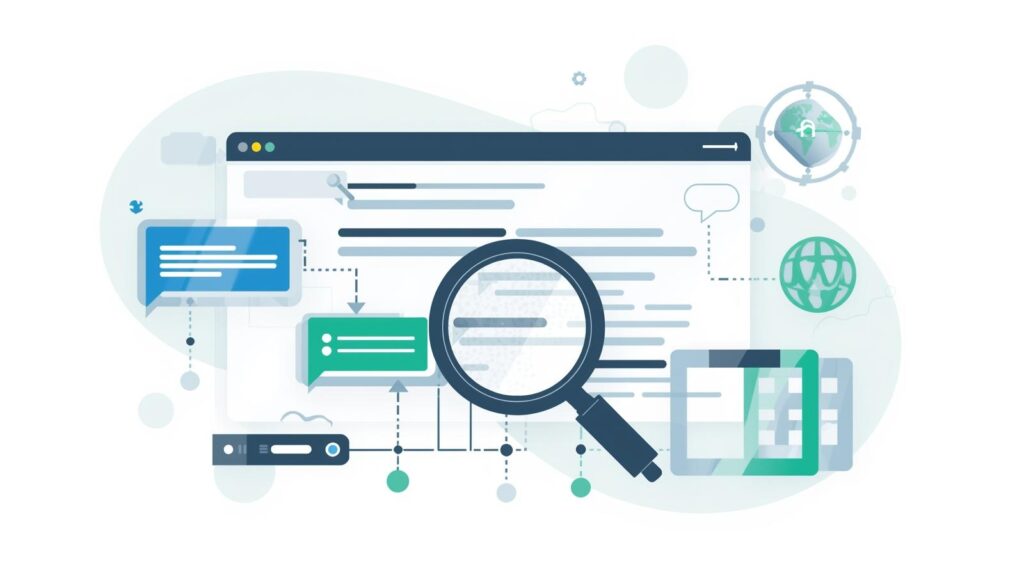
GEO stands for Generative Engine Optimization. It is a newer concept that has emerged because of the rise of AI-powered search tools and generative engines. Generative engines are AI systems that do not just show you a list of links. Instead, they read, understand, and summarize information from multiple sources and then generate a direct answer for the user. Examples include Chat GPT, Google’s AI Overviews, Bing Chat, Perplexity AI, and other AI-powered assistants.
When a user asks a question to a generative engine, the AI pulls information from various sources and creates a complete response. GEO is the practice of optimizing your content so that these AI systems reference, cite, or include your information in their generated answers. In simple words, SEO helps you rank on Google’s traditional search results. GEO helps you get mentioned in AI-generated answers.
Why Is GEO Becoming Important?
More and more people are using AI tools to find answers. Instead of scrolling through ten blue links on Google, many users now ask an AI chatbot directly. The AI reads hundreds of sources and gives a single, comprehensive answer.
This changes the game for content creators and businesses. If your content is not optimized for AI systems, you might miss out on a huge audience. GEO ensures that your content is structured, authoritative, and clear enough for AI engines to pick it up and include it in their responses. GEO does not replace SEO. It adds a new layer to your digital strategy. Think of it as an evolution — SEO got you visible on search engines, and GEO gets you visible on AI engines.
Key Differences Between GEO and SEO
Understanding the differences between these two strategies will help you create a stronger digital marketing plan.
- The Platform They Target
SEO targets traditional search engines Google, Bing, and Yahoo. The goal is to appear on the first page of search results when someone types a query.
GEO targets generative AI engines Chat GPT, Google AI Overviews, Perplexity, and Bing Chat. The goal is to have your content referenced or cited in AI-generated answers.
- How Results Are Displayed
With SEO, results appear as a list of links. Users click on a link and visit your website. You get direct traffic.
With GEO, results appear as a generated answer. The AI may mention your brand, cite your data, or use your content to form its response. Users may or may not click through to your website. Your visibility comes from being part of the answer itself.
- Content Optimization Approach
SEO focuses heavily on keywords, meta tags, backlinks, page speed, and technical website elements. It is about making your website appealing to search engine algorithms.
GEO focuses on content quality, authority, clarity, structure, and factual accuracy. It is about making your content appealing to AI systems that need reliable sources to generate accurate answers.
- User Behavior
With SEO, users browse multiple results, compare websites, and decide which one to visit. The user is active in the search process.
With GEO, the AI does the browsing for the user. The AI reads, evaluates, and selects the best sources. The user receives a ready-made answer. The user is more passive in the search process.
- Measurement and Metrics
SEO success is measured through rankings, organic traffic, click-through rates, bounce rates, and conversions. These metrics are well-established and easy to track with tools Google Analytics and Search Console.
GEO success is harder to measure right now. There are no standard tools yet to track how often your content is cited by AI engines. However, this is expected to change as GEO becomes more mainstream and new tracking tools are developed.
How SEO and GEO Work Together
GEO and SEO are not enemies. They are partners. A strong SEO foundation makes your content more to be picked up by generative engines. And GEO strategies can improve your overall content quality, which also helps your SEO.
Here is how they complement each other:
- High-quality content helps both SEO rankings and GEO citations
- Authoritative backlinks boost your SEO and signal trust to AI engines
- Clear and structured writing makes it easier for both search engines and AI systems to understand your content
- Accurate and factual information is rewarded by both traditional and generative engines
- Strong brand reputation increases your chances of being featured in both search results and AI answers
The smartest digital marketers will combine both strategies to maximize their visibility across all platforms.
GEO Strategies You Should Know
If you want your content to be picked up by AI engines, here are some practical GEO strategies:
Write Clear and Direct Answers
AI engines love content that directly answers questions. Use simple language. Be specific. Avoid vague or fluffy writing. If someone asks, “What is GEO?” your content should have a clear, concise answer.
Use Structured Data
Organize your content with headings, subheadings, bullet points, and numbered lists. This makes it easier for AI systems to parse and understand your content.
Be Factually Accurate
AI engines prioritize accurate and trustworthy sources. Always fact-check your content. Use data, statistics, and references from credible sources.
Build Authority
The more authoritative your website and brand are, the more AI engines will reference your content. Build authority through expert content, guest posts, media mentions, and industry recognition.
Include Definitions and Explanations
AI engines often pull definitions and explanations from web content. Include clear definitions of key terms in your articles.
Cite Your Sources
When you reference data or research, cite your sources. This signals credibility to both human readers and AI systems.
Update Your Content Regularly
Fresh and updated content is more to be picked up by AI engines. Review and refresh your articles periodically to keep them current.
SEO Strategies That Still Matter
While GEO is gaining importance, SEO remains critical. Here are core SEO strategies that continue to deliver results:
Keyword Research
Find the right keywords that your audience is searching for. Use these keywords naturally throughout your content, titles, headings, and meta descriptions.
On-Page Optimization
Optimize every page of your website. This includes title tags, meta descriptions, header tags, image alt text, URL structure, and internal links.
Technical SEO
Make sure your website is fast, secure, mobile-friendly, and easy to crawl. Fix broken links, improve site architecture, and use HTTPS.
Content Marketing
Create valuable, informative, and engaging content that addresses the needs and questions of your audience. Long-form content, blog posts, guides, and how-to articles all contribute to strong SEO.
Link Building
Earn high-quality backlinks from reputable websites. Backlinks are one of the strongest ranking factors in SEO.
Local SEO
If you serve a specific geographic area, optimize for local search. Claim your Google Business Profile, collect reviews, and use location-specific keywords.
User Experience
Provide a great experience for visitors. Easy navigation, clean design, fast loading times, and mobile responsiveness all contribute to better SEO performance.
Why This Matters for Digital Marketing Careers
The rise of GEO means that digital marketing professionals need to expand their skill set. Knowing only traditional SEO is no longer enough. Marketers must understand how AI engines work, how content is selected for AI-generated answers, and how to optimize for both traditional and generative search. If you are serious about building a career in digital marketing, learning both SEO and GEO will give you a significant advantage. Professionals who understand both concepts will be in high demand as businesses look for experts who can navigate this new landscape.
An SEO course in Jaipur can give you a strong foundation in search engine optimization. You will learn keyword research, on-page and off-page optimization, technical SEO, content strategy, and analytics. These skills are essential and will remain relevant for years to come. At the same time, a good digital marketing institute in Jaipur will also introduce you to emerging trends GEO, AI-powered marketing, voice search optimization, and conversational AI. This broader education ensures you are prepared for the future of digital marketing, not just the present.
The Role of AI in the Future of Search
Artificial intelligence is transforming how people find information. Search is no longer just about typing keywords and clicking links. It is becoming conversational, personalized, and instant. AI engines understand context, intent, and nuance. They can answer complex questions, compare options, and provide recommendations — all in a single response. This is a fundamental shift in how information is consumed.
For businesses, this means that being visible on AI platforms is becoming just as important as being visible on Google. And for marketers, this means that the skills needed to succeed are evolving.
How Businesses Can Prepare
Whether you are a small business owner, a startup founder, or a marketing manager at a large company, here is how you can prepare for the GEO era:
1. Audit Your Content
Review your existing content. Is it clear, accurate, and well-structured? Does it directly answer common questions in your industry? If not, update and improve it.
2. Invest in Authority Building
Build your brand’s reputation and authority. Publish expert content, get featured in industry publications, speak at events, and earn recognition in your field.
3. Stay Informed
The AI landscape is evolving rapidly. Follow industry news, attend webinars, and read reports about how generative engines are changing search behavior.
4. Train Your Team
Make sure your marketing team understands both SEO and GEO. Consider enrolling them in a reputable SEO course in Jaipur or a comprehensive program at a digital marketing institute in Jaipur to keep their skills current.
5. Diversify Your Strategy
Do not put all your eggs in one basket. Optimize for traditional search engines, generative AI engines, social media platforms, and other discovery channels. A diversified strategy protects you from sudden changes in any single platform.
Common Questions About GEO and SEO
Does GEO Replace SEO?
No. GEO does not replace SEO. It complements it. Both strategies are important, and the most effective digital marketing plans will include both.
Is GEO Only for Big Companies?
No. Any business, regardless of size, can benefit from GEO. By creating high-quality, authoritative, and well-structured content, even small businesses can get referenced by AI engines.
Do I Need Special Tools for GEO?
Right now, there are limited tools specifically designed for GEO. However, many existing SEO tools — content analyzers, keyword research tools, and site auditors — can help with GEO optimization as well. New GEO-specific tools are expected to emerge in the coming years.
Can I Do GEO Without Knowing SEO?
It is possible, but not recommended. SEO provides the foundation that GEO builds upon. Understanding SEO principles will make your GEO efforts much more effective.
How Long Does It Take to See Results from GEO?
SEO, GEO is a long-term strategy. It takes time to build authority, create quality content, and earn citations from AI engines. Patience and consistency are key.
GEO and SEO: A Side-by-Side Comparison
| Feature | SEO | GEO |
| Target platform | Search engines (Google, Bing) | AI engines (Chat GPT, Perplexity) |
| Result format | List of links | Generated answers |
| Focus | Keywords, backlinks, technical optimization | Content quality, authority, accuracy |
| User behavior | Active browsing | Passive receiving |
| Traffic type | Direct website visits | Brand mentions and citations |
| Measurement | Rankings, traffic, CTR | Citations, mentions (evolving metrics) |
| Maturity | Well-established | Emerging |
| Required skills | Technical SEO, content writing, analytics | Expert writing, authority building, structured content |
The Bigger Picture
Digital marketing is not standing still. New technologies, new platforms, and new user behaviors are constantly emerging. The professionals and businesses that succeed are the ones who adapt, learn, and evolve. SEO gave us the ability to be found on search engines. GEO gives us the ability to be found on AI engines. Together, they represent a comprehensive approach to digital visibility.
Learning from the right sources matters. A well-structured digital marketing institute in Jaipur can provide the hands-on training and expert guidance you need to master these concepts and apply them in the real world.

Become an SEO Expert with Navigo Academy
Start your journey to becoming an SEO expert with Navigo Academy. The training program focuses on building strong knowledge of search engine optimization through practical learning and real projects. Students learn important SEO concepts such as keyword research, on-page optimization, technical SEO, content strategy, and website performance improvement.
The course is designed to help beginners understand how search engines work and how websites can improve their visibility in search results. With step-by-step guidance from experienced trainers, students gain hands-on experience and develop practical skills used in the digital marketing industry.
Conclusion
GEO and SEO are two different but closely related strategies. SEO helps your website rank on traditional search engines Google. GEO helps your content get cited and referenced by AI-powered generative engines. Both are important for digital marketing success.
SEO is well-established, proven, and continues to drive significant traffic and revenue for businesses worldwide. GEO is newer but rapidly growing in importance as more users turn to AI tools for answers. The future of search is not just about links on a page. It is about being the trusted source that both humans and machines turn to for answers. And that future starts with understanding the powerful combination of GEO and SEO.
FAQs
Q1: What is the main difference between GEO and SEO?
SEO helps your website rank on traditional search engines Google. GEO helps your content get cited and referenced by AI-powered engines ChatGPT and Perplexity. Both aim to increase your visibility but on different platforms.
Q2: Does GEO replace SEO?
No. GEO does not replace SEO. Both strategies work together. A strong SEO foundation actually makes your GEO efforts more effective. The best digital marketing plans include both.
Q3: What does GEO stand for?
GEO stands for Generative Engine Optimization. It is the process of optimizing your content so that AI-powered tools reference and cite it when generating answers for users.
Q4: What does SEO stand for?
SEO stands for Search Engine Optimization. It is the process of improving your website so that it ranks higher on search engines Google, Bing, and Yahoo.
Q5: Is GEO only useful for large businesses?
No. Businesses of all sizes can benefit from GEO. Any brand that creates high-quality, accurate, and well-structured content can get referenced by AI engines.
Q6: How can I learn both GEO and SEO?
You can start by enrolling in an SEO course in Jaipur that covers search engine optimization fundamentals. A reputable digital marketing institute in Jaipur will also teach you about emerging trends GEO and AI-powered marketing.
Q7: What type of content works best for GEO?
Content that is clear, factually accurate, well-structured, and directly answers common questions performs best for GEO. Using headings, bullet points, definitions, and credible data also helps.